



Trade Show Trends for 2026: Designing Experiences Attendees Remember
|
|
Time to read 5 min

















Link to your collections, sales and even external links
Add up to five columns




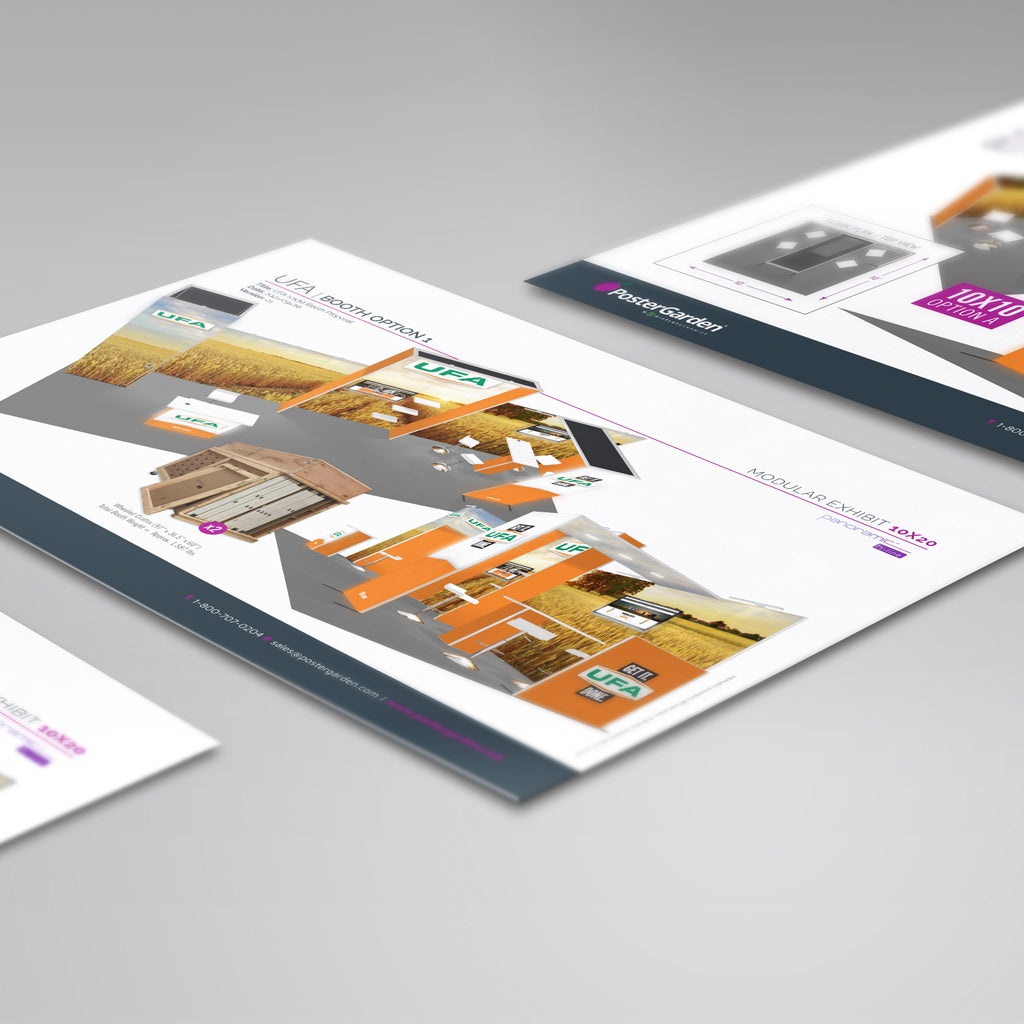
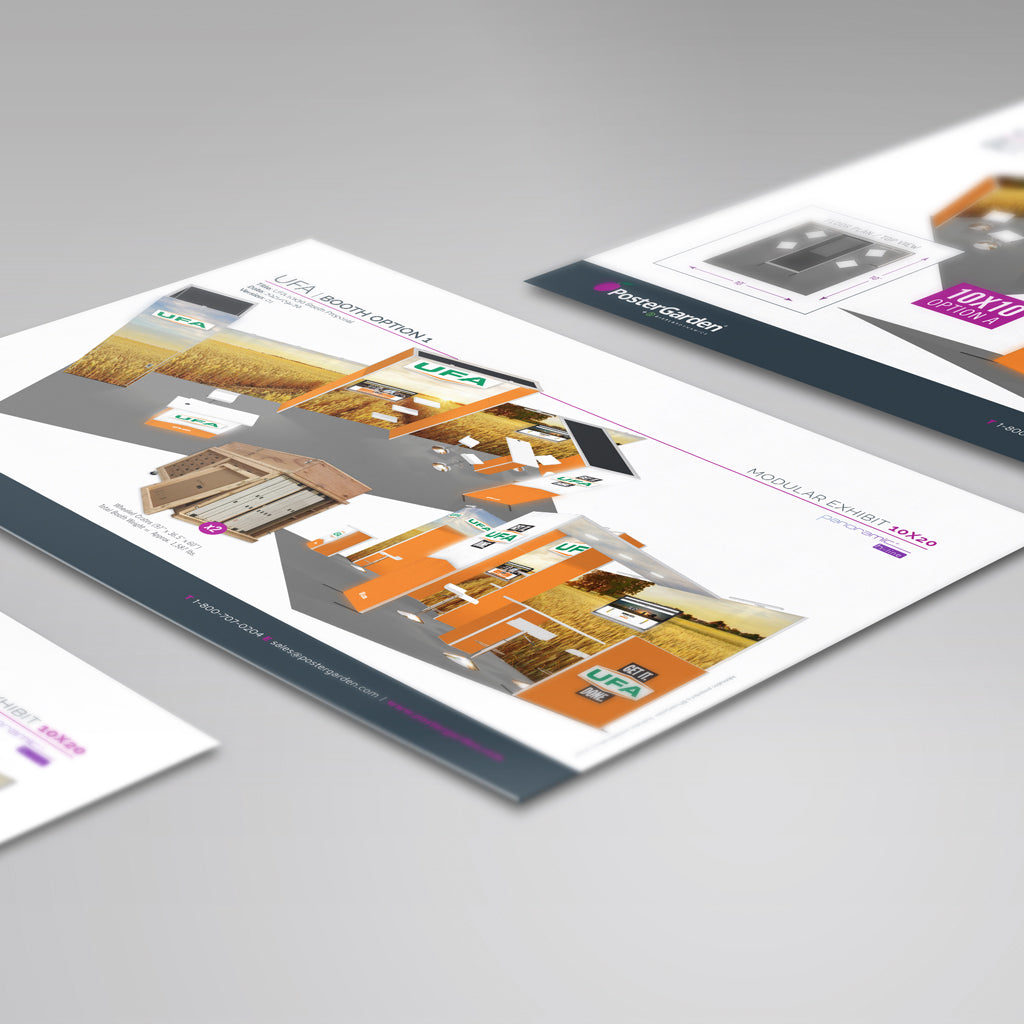
Our creative team will help you by designing a display solution that meets your functional requirements and fits your budget...
|
|
Time to read 5 min
Trade shows heading into 2026 look very different than they did even a few years ago. Exhibitors are no longer competing on size or how much information they can cram onto a wall. Instead, they’re focused on experience, intention, and measurable impact.
Across industries, exhibitors are targeting focused, measurable experiences built on immersive storytelling, modular flexibility, and data-driven decision making. While these trends are appearing across both B2B and B2C environments, how they’re executed depends heavily on who you’re trying to reach.
Understanding that distinction is what separates booths that look impressive from booths that actually perform.
One of the most noticeable shifts on the show floor is the move from static displays to immersive, story-driven environments. LED video walls are no longer a novelty; they’ve become a foundational design element. But the way they’re being used is evolving fast.
Instead of relying on a single LED backwall looping generic content, exhibitors are integrating digital surfaces into the architecture of the booth itself. LED panels are appearing on ceilings, floors, and archways, turning booths into branded theatres rather than flat displays. Motion is being used intentionally to guide people inward, draw attention to engagement zones, and shape how visitors move through the space.
What’s working best in 2026 isn’t louder motion, it’s purposeful motion. Animated features and welcome spaces spark curiosity and draw attendees into the booth, while interactive engagement zones live deeper within the space to support longer dwell times and conversations.
Another major evolution is the pairing of physical products with digital layers. Rather than isolating products on shelves or pedestals, exhibitors are overlaying them on LED panels or pairing them with interactive touchscreens. This allows content to be revealed gradually based on interest, rather than overwhelming visitors with information upfront. When done well, this approach replaces cluttered graphics with curated, responsive storytelling.
This kind of experience requires more than simply loading videos onto a screen. It demands content planning, technical coordination, and close collaboration between designers and fabricators to ensure the digital layer enhances the experience rather than distracting from it.
At the larger end of the spectrum, especially in consumer-facing environments, exhibitors are leaning into multi-sensory design. Lighting, sound, texture, and even taste or scent are being used to trigger emotional responses and transport visitors to another place or moment. Some brands use this to amplify energy and excitement. Others deliberately design calming lounge environments that offer relief from the chaos of the show floor.
In both cases, the common thread is clear: design for the attendee before designing for the product. Creative zones built around how people feel, move, and interact are becoming far more effective than product-first layouts.
AR and VR are also playing a growing role in immersive storytelling. Virtual test drives, guided walkthroughs, animated product demonstrations, and experiential simulations allow exhibitors to show things that can’t be physically recreated onsite. When used thoughtfully, these tools create self-led journeys that deepen understanding without requiring constant staff intervention.
Sustainability and flexibility are driving the exhibit market in 2026.
Exhibitors are moving away from one-off builds and toward modular systems designed to evolve. A single set of hardware might support a 10×10 footprint at one show and expand into a 20×30 at another, with shared components and consistent brand language across both. This gives marketers the freedom to customize messaging for different audiences while giving designers the flexibility to adapt layouts without having to start from scratch every time.
This approach fundamentally changes how booths are planned. Instead of designing for a single event, exhibitors are building long-term platforms that can be reconfigured, refreshed, and reused over multiple seasons. The result is better cost control, easier updates, and alignment with sustainability goals and show regulations.
More importantly, modular systems allow teams to design around experience rather than square footage. Engagement zones can scale up or down depending on goals, while the overall brand presence remains cohesive and recognizable.
Perhaps the most transformative shift for 2026 is how exhibitors measure success.
Booth technology, such as Apex by Exposure Analytics, can now capture far more than lead counts. Heatmaps, foot traffic analysis, and dwell time tracking reveal how people actually interact with a space. Engagement zones can be evaluated based on behavior, not guesswork, helping teams understand which experiences resonate and which fall flat.
This data becomes even more powerful when paired with AI-driven tools and CRM integrations. For B2B exhibitors especially, booths are increasingly treated as sales pipelines rather than fishing nets. Sales teams use mobile CRM apps on the show floor to tag interactions in real time, noting whether a demo was held, a meeting was booked, a proposal was discussed, or a follow-up action was agreed upon.
By capturing meaningful interaction data instead of generic leads, exhibitors can track conversion timelines long after the show ends. When total booth investment is divided by qualified interactions, and then tied to opportunities and revenue, trade shows become measurable, defensible growth channels.
While these trends are shaping nearly every hall, execution matters more than adoption. Not every strategy works in every context, and applying trends without understanding your audience often leads to expensive disappointment.
In B2B environments, trade shows support longer sales cycles and relationship-driven decisions. Immersive design is used to build trust, increase brand awareness, foster clarity, and drive consideration. Engagement zones prioritize demos, discussions, and meetings. Analytics focus on intent, progression, and follow-up quality rather than instant conversion.
In B2C environments, the priorities shift. Experiences are faster, more energetic, and often self-led. Sensory design and shareable moments drive traffic, while digital layers support instant purchases, sampling, or rapid retargeting. Conversion often happens on the show floor or immediately after.
The tools may look similar, but the goals and the way success is measured are fundamentally different.
The most successful exhibitors will design modular systems that adapt, immersive environments that guide rather than overwhelm, and measurement strategies that capture real outcomes. Most importantly, they will evolve their booth goals around their audience’s experience, not just their product lineup.
The goal isn’t about adopting every new technology. It’s about understanding what your audience values, designing intentionally around that experience, and aligning design, marketing, and sales to support it.
When that alignment happens, trade shows stop being expensive guesses and start becoming predictable, repeatable growth engines.
If you’re planning for 2026, now is the time to step back and ask whether your booth is built for attention or built for outcomes. At Display Dynamics + PosterGarden, we help teams rethink their trade show strategy from the ground up, creating modular, experience-driven environments that work harder before, during, and long after the show floor clears.
Whether you’re refreshing an existing booth or planning what’s next, a clear strategy makes all the difference. To get started, fill out the form to receive a Free Branded Proposal or contact our creative team today.
Further Readings
→ A Complete Guide to Choosing A Trade Show Video Wall
→ The Power of AI at Trade Shows: How Exhibitors are Creating Personalized Experiences
If you want to shop for modular and portable prefab kits, you can check out more on our store


